
A Researcher’s Rest Journal: An Introduction
Hi there,
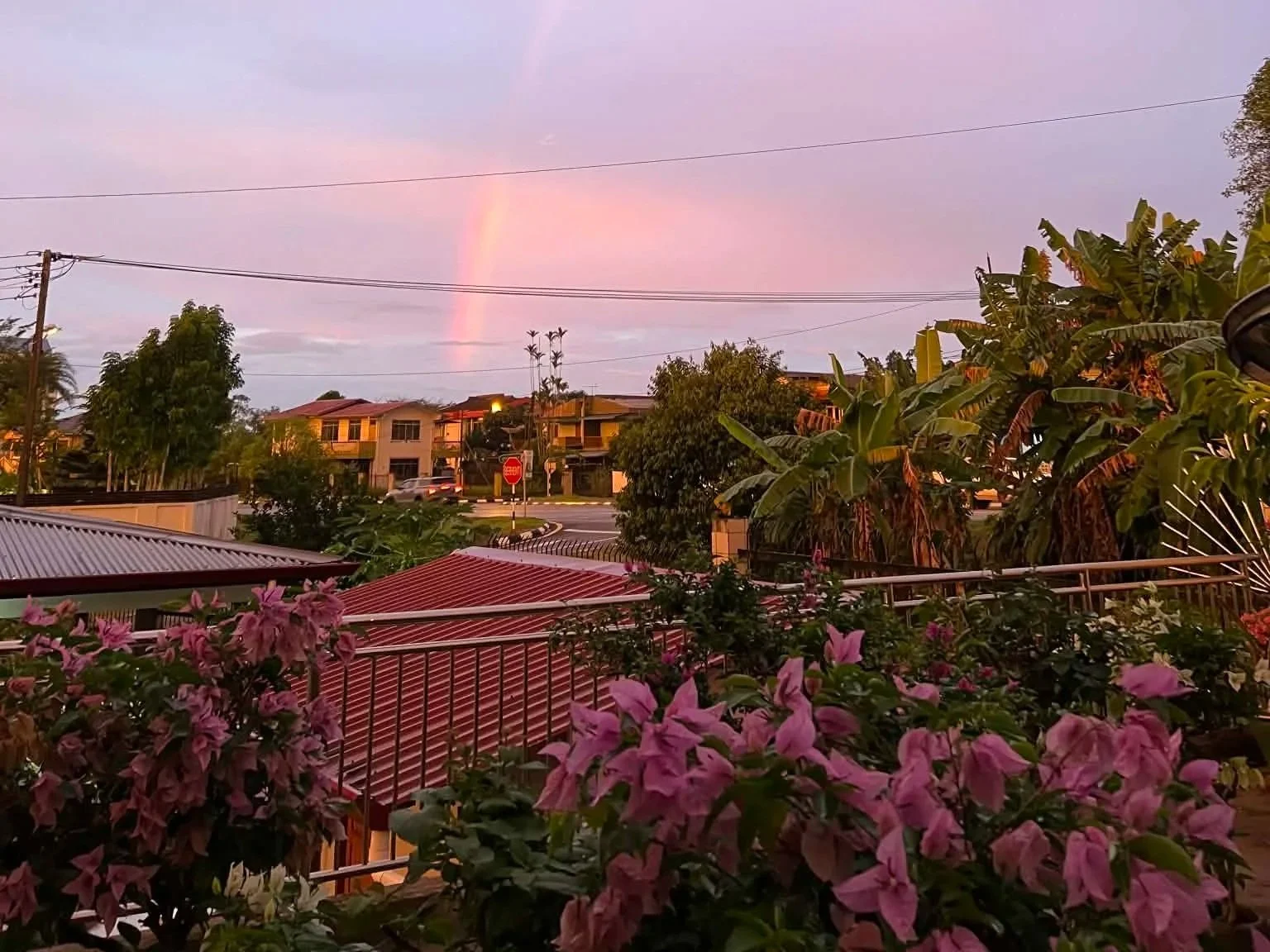
Thanks for stopping by! Right now, as I write, it’s the cool of early evening. My grandfather’s TV drones away in the background. One of my books flaps shutter in the wind. I hope wherever you are reading this, the day is relaxing and if it’s not, maybe it can wind its way there in time. Maybe a book or warm drink is in order. Welcome to my researcher’s rest journal.
But what is a researcher’s rest journal?
Well, it’s probably safe to assume most of us visiting this blog are writers and historians. We are drawn to subjects like paleontology, archeology, mythology, etymology, trade routes, family trees, religions and sects, industrialism, ideologies, warfare, cultural trends, and more.
It’s a pretty time-consuming pursuit too. We nose around history channels and podcasts, we look up topics on JSTOR AND Reddit, because why not cover our bases, right?
Not to mention getting distracted by this and that
Then we double all these efforts because our initial dig wasn’t enough. And somewhere throughout these, we log what we find valuable on say, Google Drive. All in all, sounds like at least several nights’ work.
It’s only natural for us history enthusiasts. It is entertaining, satisfying (both intellectually and emotionally), and hopefully, just hopefully, it makes better humans of us. But amidst this bustle, what don’t we keep note of sometimes?
Our rest. The books we bought and said we’d read, for leisure, not scholarly study. Our time hanging out with other writers and historians, checking in with our peers (let’s be honest, many times we can forget to poke our heads above ground).
And it’s much easier to research and collect information than to sit down with a blank page and put out some writing. Much less scary.
I am probably projecting a lot. Yet I sense I am not alone amongst the reading and writing community when I say I spend so much time organizing information folders, and to-research lists that I have often neglected books I wanted to read, as well as story ideas I wanted to explore.
It takes discipline and intentionality to break a well-set habit. So if you are sticking with me for a bit, you’ll see me posting updates on what I’ve been reading lately, even if it’s just a couple of pages a week. Maybe if you guys are in my rut too, this journey can be our pathway to balancing research and rest. Or maybe if you have discovered that sweet spot between the two, feel free to share in the comments.
Journal question: Is there any time to read next week? Fifteen minutes? Twenty?
See you again next week!
Ian Tan, intern
History Through Fiction