

Blog
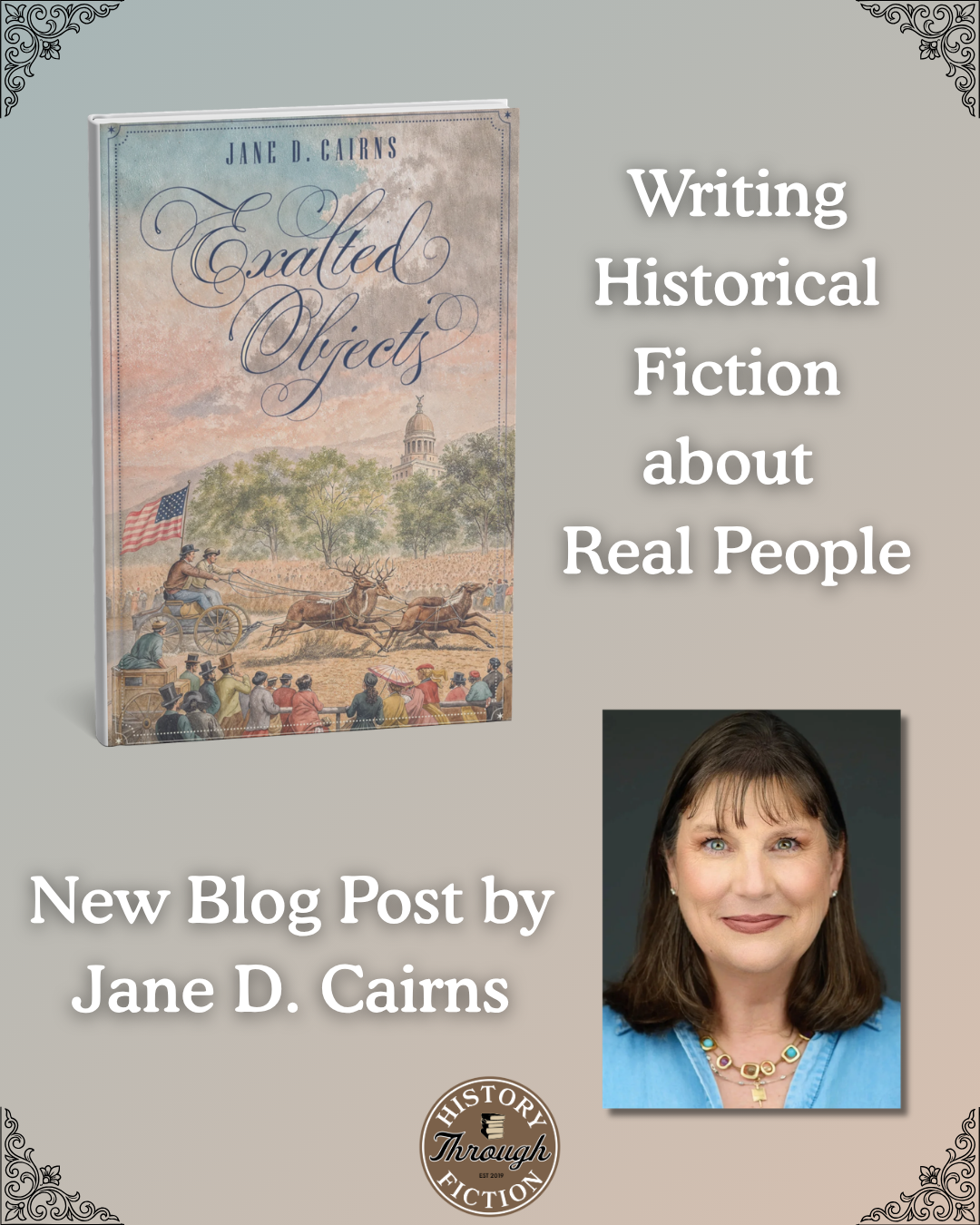
Writing Historical Fiction about Real People
Writing historical fiction about real people offers novelists a unique balance of research and imagination. Jane D. Cairns, author of Exalted Objects, explores the opportunities and responsibilities of bringing historical figures to life on the page. From researching overlooked lives to respecting the worldviews of people from the past, she considers how writers can use the gaps in the historical record to imagine the emotions, motivations, and conversations history leaves behind.
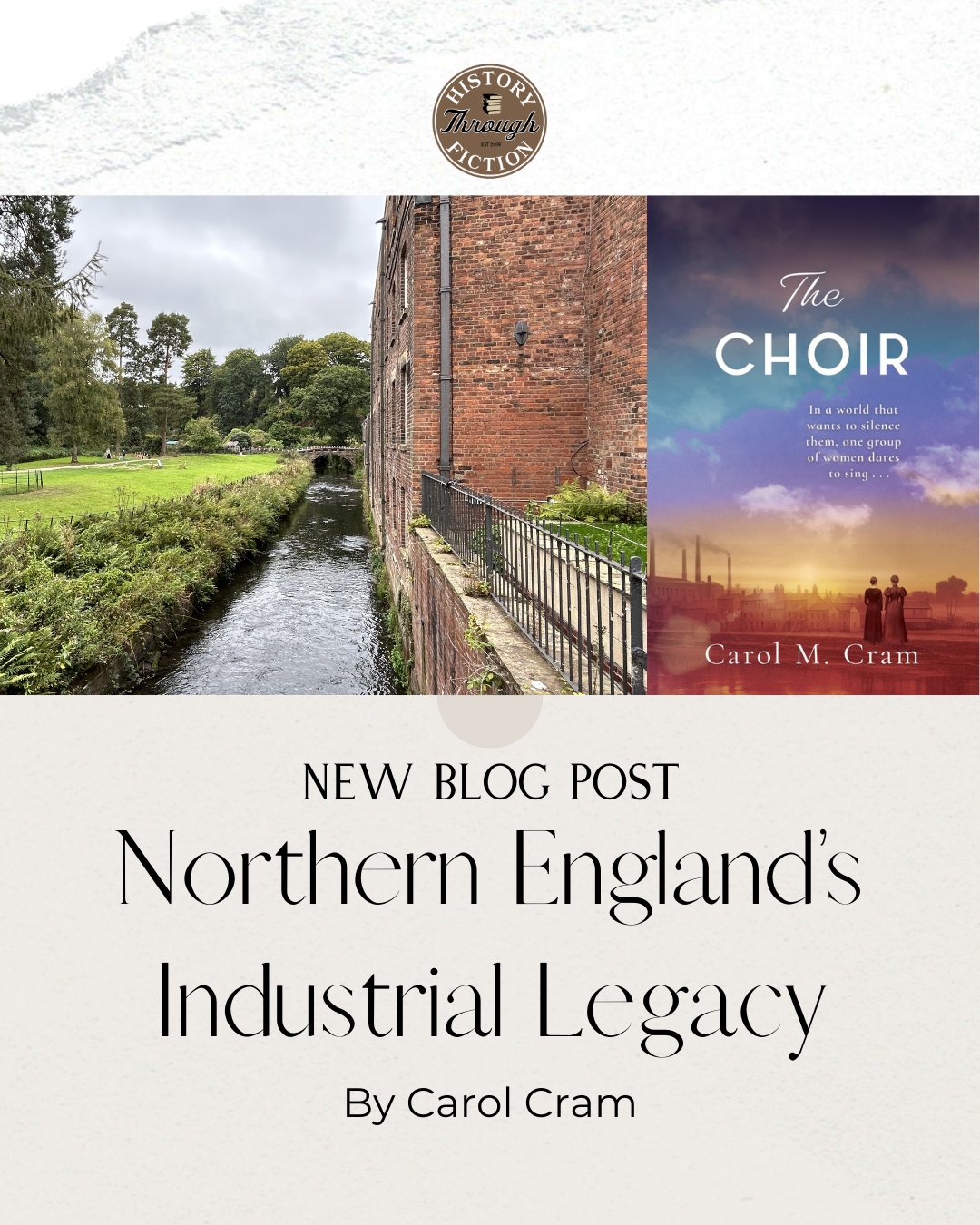
Northern England’s Industrial Legacy
Northern England’s industrial past comes alive at Quarry Bank Mill, a beautifully preserved cotton mill museum in Cheshire. Follow Carol Cram on a visit exploring the mill’s history, machinery, and the harsh realities faced by workers—especially children.

Worstedopolis: The Ascendancy of Bradford in the Global Wool Trade during the Industrial Revolution
During the Industrial Revolution, Bradford transformed from a modest market town into “Worstedopolis,” the world’s leading center for worsted wool production. This rise was fueled by local resources, technological innovation, and strategic transport links, attracting a booming population and creating grand Victorian architecture. Industrialists like Titus Salt and Samuel Cunliffe-Lister drove both economic and social change. Though the textile industry later declined, Bradford’s industrial legacy endures, shaping its identity and earning it recognition as the UK City of Culture 2025.