
Researcher's rest journal: Observing the Sabbath
Hi there,
Thanks for stopping by! The washing machine is doing that low rumble that I find so relaxing. I had just played maybe a dozen rounds of speed chess, so my brain is buzzing. The afternoon sun isn’t helping things, making me so sleepy. I hope wherever you are reading this, the day is relaxing and if it’s not, maybe it can wind its way there in time. Maybe a book or warm drink is in order. Welcome to my researcher’s rest journal.
For this week’s rest, I kind of did something I haven’t done in a while, and… observed the Sabbath??
For those unfamiliar with that term, it basically means to not to do any work for that day, or really, at its core, anything that hinders us from recharging spiritually, emotionally, and mentally. In Christian culture, which is more commonly known, this equates to going to church and fellowshipping with God and the community.
However, outside of that, I guess most Sabbath observers take the day off and relax. Family and friends time is also a huge aspect, so maybe there’ll be luncheons, an afternoon out at a park/lake, movie nights later. It’s not an unfamiliar concept to America. Given that this past Sunday was Easter, probably a lot of families spent their afternoon baking and egg-hunting.
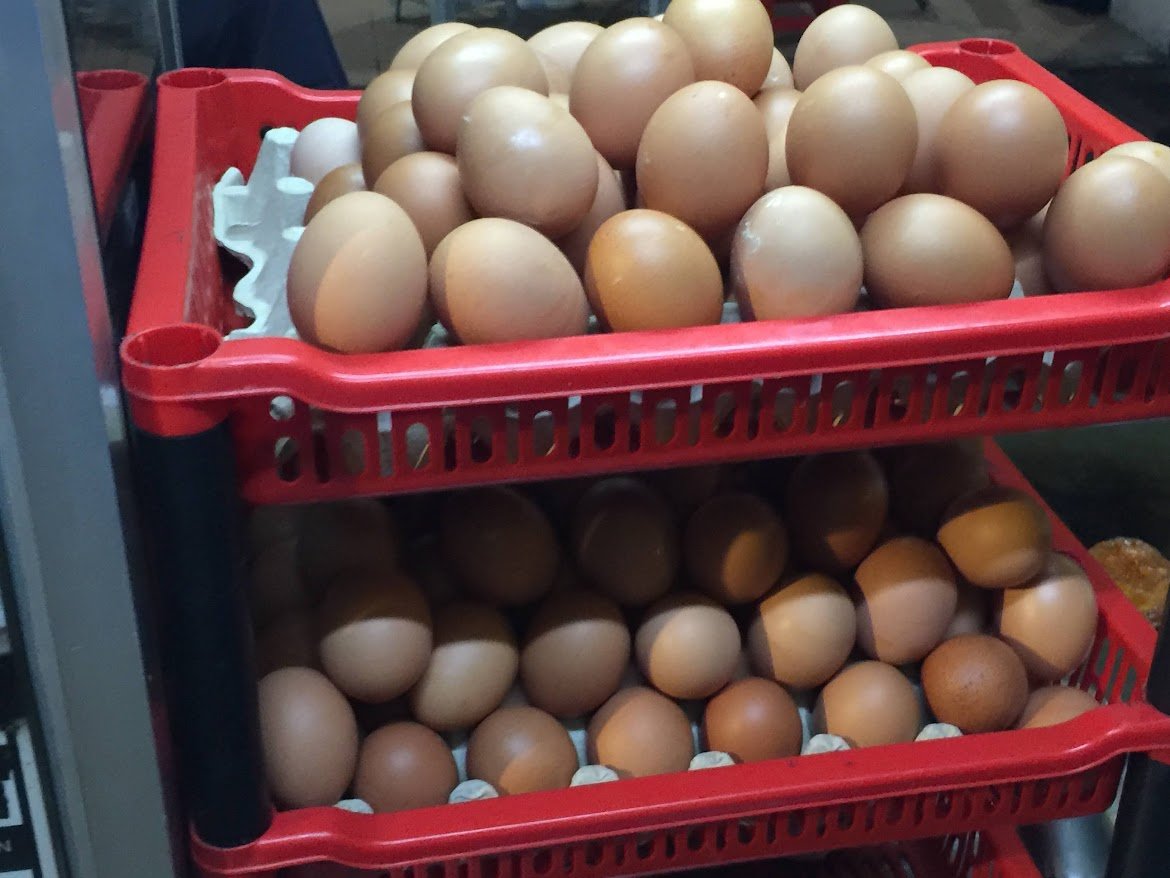
Not much a fan of painted eggs, I like mine ready to boil or fry
But in general, I don’t often hear of people using the rest of the day to practice spiritual stuff. Which is a good thing, I guess, because in my opinion, these sorts of matters are best kept to our personal spheres.
There wasn’t much to my Easter Sunday, I suppose. I spent a good chunk of it… reading the Bible. I know, I know, here comes the yawns 😂
But I don’t know, my life lately has become so much about caregiving and work and watching TV and occasionally, a nice novel. Which is all nice, and I appreciate them as different pieces of my day-to-day (well, TV and novels aren’t necessarily daily parts).
But there used to be a more spiritual aspect to my day too, and reading the Bible was part of that. It felt good to reconnect to that part of me, and this faith-based literature.
Friends who follow this series, I know the Bible has its controversies, both in the sociopolitical and historical realm. I do think that as a contentious object, it provides a lot of material for fictional works regarding various historical societies, power structures, and cultures. But that’s another story.
The point is, if your lifestyle includes a spiritual practice or used to, don’t forget to nurture that part of it. If you find value in prayer, exploring a faith-based text, or visiting places of worship, take a day out of your routine for that. Treasure those. As religion is one of the oldest elements of human existence, arguably preceding even centralized settlements and civilizations, who knows? Maybe any historical research or worldbuilding (if you are a writer) can derive an extra touch of personal understanding from your encounter with these.
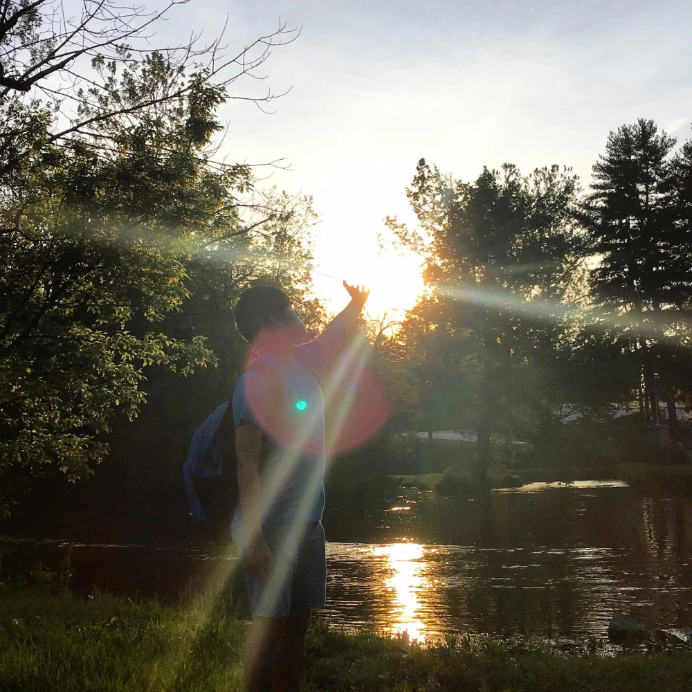
Journal question: Do you find any spiritual or personal value in faith? And then outside of personal life, does any area of it interest you intellectually, as readers, writers and historians?
See you again next week,
Ian Tan, intern
History Through Fiction
