Book & Author Spotlight: Perfect Cadence by Tamar Anolic
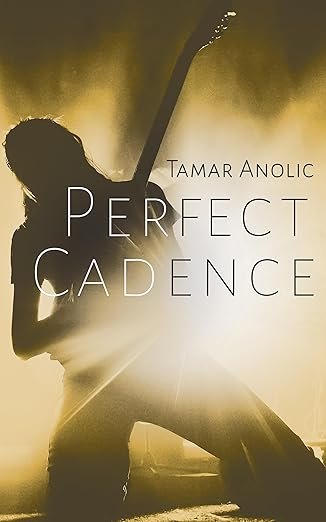
Title - Perfect Cadence
Author - Tamar Anolic
Publisher - Independently Published
Release Date - December 15, 2025
Pages - 338
Formats - Paperback and Ebook
Decription
Fame. Fortune. Pitfalls.
It is 1978, and a music scene is brewing in Los Angeles. Singer Gunnar Erickson and guitarist Shep Townsend leave Grand Island, Nebraska hoping to make it big as rock stars. Before long, they help form the talented and popular band Authentic Cadence and are managed by the biggest names in the business.
As they begin to realize their dreams, however, Gunnar and Shep learn that that fame has its downsides. Between the constant touring and groupies and the traps of easy drugs, their fame also attracts toxic family members they thought were long gone. As one platinum album turns into another, Gunnar and Shep find themselves playing to large stadiums with a tough manager who won’t give them a break. Soon, both musicians feel like they are losing themselves entirely- and it will take a tragedy to change that.
Five Questions with Tamar Anolic, Author of Perfect Cadence
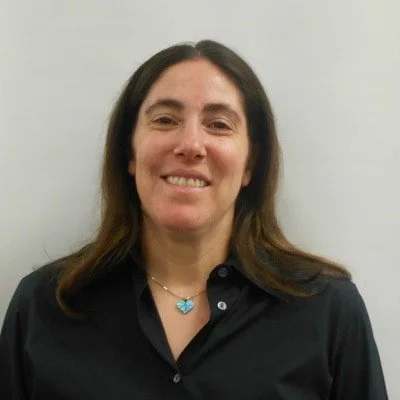
Author Tamar Anolic
1. Your newest novel, Perfect Cadence, takes readers into the Los Angeles music scene of the late 1970s and follows two young musicians grappling with fame, identity, and loss. What first drew you to this era and this subject matter, and how did you research or imagine life inside a rising rock band?
I grew up listening to the classic rock of that era. As an author, I became more interested in these bands’ backgrounds—where the musicians grew up, how they came to realize their musical talent, what type of musical training they had. I also felt drawn to their stories of how they worked to realize their dreams of becoming rock stars. Many left home to go to Los Angeles and worked jobs on the side as they rehearsed with bands, and it took many of them years to make it big. Of course, once many of these bands became famous, they were playing to arenas and got mobbed by fans. I thought the difference between these worlds would be interesting material to mine in a novel.
For research, I read a lot of memoirs by a wide range of musicians—everything from Lita Ford’s Living Like a Runaway to books by Duff McKagan, Slash and Sebastian Bach. There are also memoirs by groupies that I found fascinating as well. Pamela des Barres’ books, for example, helped me round out the picture of what it was like to be near these musicians and follow them on tour.
2. Perfect Cadence blends glamour—the dream of making it big—with the darker undercurrents of the industry, such as drugs, toxic relationships, and burnout. What themes or emotional truths were most important for you to explore through Gunnar and Shep’s journey?
In writing Perfect Cadence, I wanted to explore exactly these dynamics, and how they could affect musicians who still might picture themselves as small-town boys. In particular, I was interested in exploring how that kind of fame changes those musicians—would they remain true to their roots or would they become different people? Also, what might those musicians gain and lose when they achieved their dreams on that scale? Being in the public eye has its challenges, such as loss of privacy, and I wanted my characters to confront that.
3. Many readers know you for your historical fiction centered on the Romanovs. In Tales of the Romanov Empire, you merge documented events with imagined personal stories and even weave in chapters based on your own family history. What was the most challenging aspect of writing across three centuries of the Romanov dynasty—and what surprised you most as you researched and wrote it?
Tales of the Romanov Empire is a novel in short stories, so one of the largest challenges was the breadth of history that I was trying to cover, juxtaposed against the short stories I was trying to write about it. Each of the events and people I was writing about deserve a novel in their own right. Finding a way of telling these stories, while still adhering to my vision of a single book, was definitely a challenge!
One thing that surprised me was the themes that kept popping up in different places and to different characters: the pressure to marry and have children, the pain when couples struggled to have children, the gossip about other peoples’ lives and how hurtful that could be. People are still human, no matter what their station in life.
4. Your work also includes The Lonely Spirit, a story shaped by the Old West and a protagonist struggling to belong in two cultures. Across your novels—whether historical, fantasy, or YA—identity and belonging seem like recurring themes. Why do these questions continue to call to you as a writer?
I think that a sense of belonging is something that many people strive for and struggle with. Each of us has different factors—whether cultural, personality or other traits—that make belonging easier or more difficult. I think it’s fascinating to envision people with such different backgrounds trying to come to terms with themselves and how they fit in. In my mind, these journeys make for good stories and characters that readers can empathize with.
5. You’ve described witnessing a single moment—such as the soldier in fatigues at the airport—that sparked an entire trilogy. How do you recognize when an idea is "big enough" to become a novel or series, and what advice would you give emerging writers about gathering and developing story ideas?
I think that an idea is “big enough” when it grabs you and won’t let go. I thought of that solider in the airport for days and knew I had to tell a story about her. I had to develop several iterations of the concept I was thinking of before I was able to turn it into The Fledgling’s Inferno. Even after I started writing, I had to get a lot of feedback and rewrite my draft several times before it became what it is today. As a result, my advice to emerging writers is: follow your passion. If you have a story that you want to tell, don’t be afraid to tell it! Getting feedback on your writing, whether through beta readers or a critique group, is also invaluable. Don’t be afraid to listen to that feedback and rewrite as necessary. But also: be mindful of what you want for your characters and storylines. If someone else’s vision for the story conflicts with your own vision, decide how you want to proceed. Writing and revising is an art. So is receiving feedback and deciding what to do with it.
I also keep a list of story ideas in a Word document on my computer. Whenever inspiration hits, I add it to the list. Once I’ve added an idea, I often find that ways of developing that idea into a novel start coming to me. I add all of that to the list until I feel as though a story is ready for writing or further research.