
Book & Author Spotlight: Under Two Flags by Janis Robinson Daly
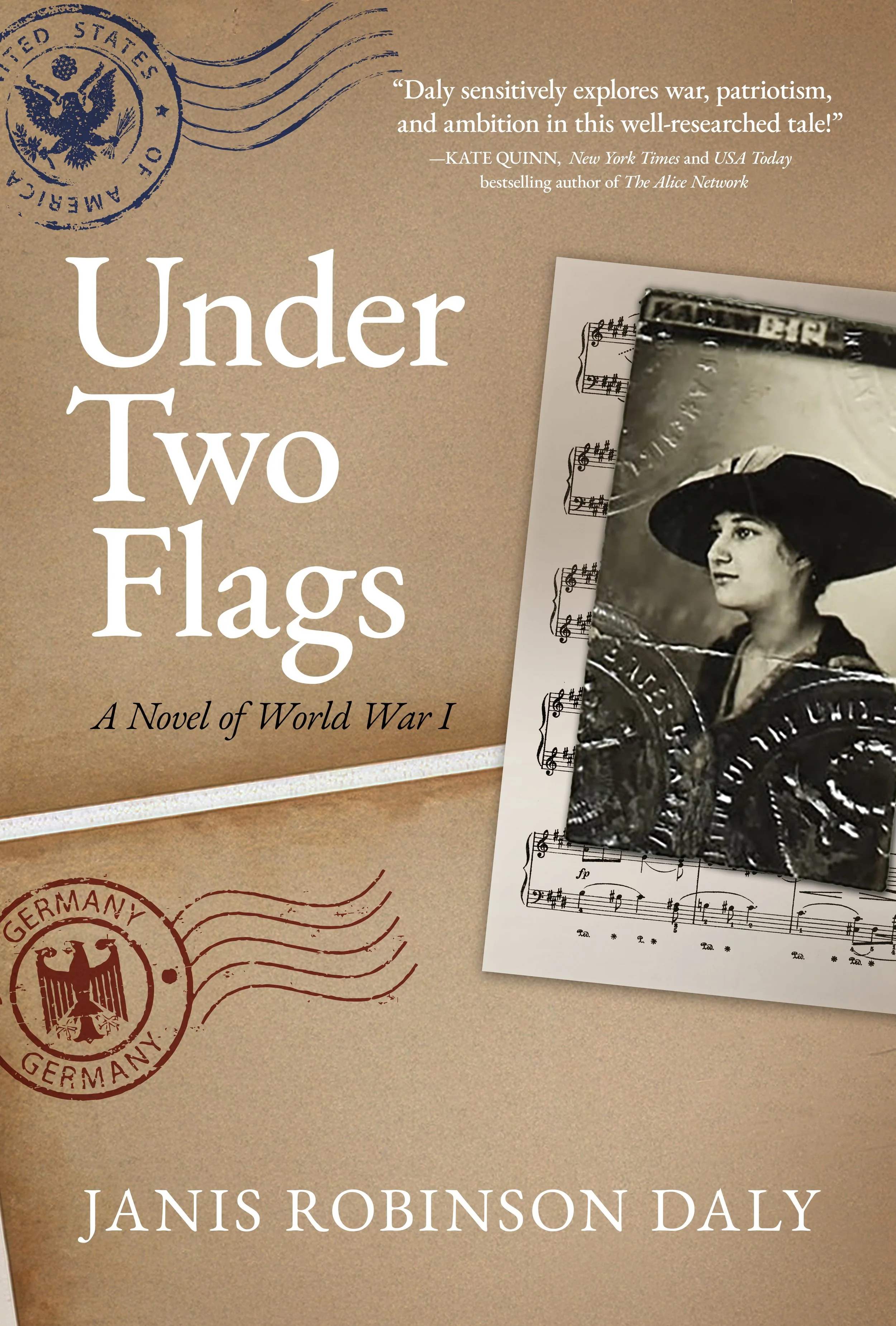
Title - Under Two Flags
Author - Janis Robinson Daly
Publisher - Black Rose Writing
Release Date - March 26, 2026
Pages - 296
Formats - Paperback and Ebook
Decription
When dreams collide with war, survival becomes the ultimate performance.
In October 1916, eighteen-year-old Josephine Therese Marzynski leaves Boston for Berlin to pursue her dream of studying opera at Germany's most prestigious music conservatory. Living with family friends and immersing herself in German culture, she finds unexpected beauty and friendship in the heart of enemy territory.
But when America enters the Great War in April 1917, Josephine's world transforms overnight-from welcomed student to enemy of the state. Trapped in Berlin as rationing tightens and suspicion mounts, Josephine must navigate daily police check-ins, bureaucratic interrogations, and the constant threat of internment. Her survival depends on German friends who risk their own safety to protect her, while she struggles with divided loyalties between her American identity and the people who have become her chosen family.
Five Questions with Janis Robinson Daly, Author of Under Two Flags
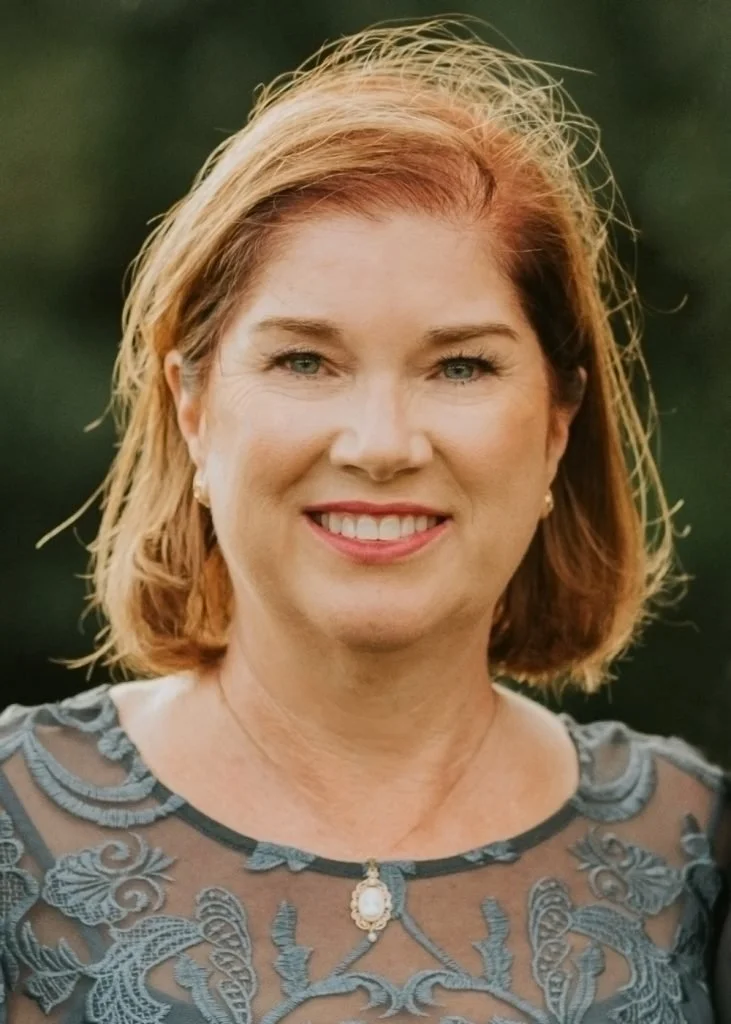
Author Janis Robinson Daly
Under Two Flags is based on a real memoir. What first drew you to Josephine’s story, and why did you feel compelled to retell it?
Josephine’s extraordinary courage to hold close a passion for her music and country, at the tender age of eighteen, first drew me to her story. At an age when most young people grapple with self-awareness, Josephine already knew what she believed in: Art, patriotism, beauty, and belief. Additionally, given the oversaturation of World War II books in recent years, I felt an intimate exploration of the human experience during World War I would stand out to illuminate the Great War's importance as a precursor to later history.
Josephine travels to Berlin in 1916 to study opera, only to become an “enemy of the state” when America enters the war. What fascinated you most about her experience as an American caught inside Germany during World War I?
I found Josephine’s refusal to denounce her country, even when doing so might have made her life easier or safer, admirable. She could have disposed of her flag, softened her allegiance, or remained silent. She did none of those things. She stood firm in her convictions. I also felt drawn to her recounting of daily life with the rations, the suspicions, the uncertainty, which could have undermined her resolute bravery. Even when she develops anemia from an inadequate diet, she remains living under wartime Berlin conditions. Through her eyes, we see how quickly freedom can feel fragile and how powerful it is when someone refuses to surrender their belief in it.
Music plays a central role in the novel. How does opera—and performance more broadly—shape Josephine’s resilience and identity?
Music defines Josephine. When she steps onto a stage or opens her mouth for the first soulful notes of an aria, she reveals her inner life to a room full of strangers. That act of performance requires courage long before Josephine ever needs to summon political courage. In many ways, the discipline of opera prepares her for everything that follows. Hours of rigorous training build her endurance. She learns how to push on when she doesn’t hit the note or hold a pause. At the same time, characters within an opera often wrestle with the same issues Josephine faces in terms of loyalty, love, sacrifice and honor. They create a backdrop that shapes her identity until the last curtain falls.
Your previous novels spotlight pioneering women in American history. What themes connect Under Two Flags to your earlier work?
Whenever I come across the story of a woman who has languished in the shadows, I’m inspired by their refusal to retreat. Whether it was the women who forged ahead in the practice of medicine, in an era that questioned their intellect and abilities, as I present in my first two novels, The Unlocked Path and The Path Beneath Her Feet, or Josephine pursuing opera in a foreign country at the brink of war, these are stories of women who faced formidable cultural, institutional, and/or political barriers and meet them not with resolve. It’s their quiet, steady resilience that allows them to keep moving forward when doors close and criticism mounts.
My work seeks to honor the brave women who lived fully in times that sought to contain them. Their resilience is persistent, disciplined, and deeply rooted in belief. Under Two Flags continues that exploration, reminding us that the path toward one’s dream has never been easy for women. But with bold strides, they move forward by taking the first step.
Josephine struggles with divided loyalties between her homeland and the people who protect her in Berlin. What do you hope readers reflect on when it comes to patriotism and moral complexity?
I hope Under Two Flags will cause readers to pause and reflect on the idea of remaining proud of who they are and where they come from. Josephine’s struggle in Berlin is deeply human. She is grateful to the Germans who shelter, teach, and sometimes protect her. And yet, she cannot deny her allegiance to the United States or the democratic ideals she believes it represents. That tension of loving individuals of nation at war with her own, while remaining loyal to America is the heart of her Josephine’s complexity. Patriotism and compassion are not mutually exclusive. You can stand firmly for your country’s principles while still acknowledging the dignity and decency of people on the other side of a political divide.
Finally, I want readers to reflect on being proud of who we are as individuals without forgetting where we came from. Our heritage shapes us, but so do the relationships and experiences that challenge us. Patriotism, in its best form, is grounded in values—freedom, integrity, justice—not in animosity.